Tuesday, 13 August 2013

Twitter and Christian Jessen

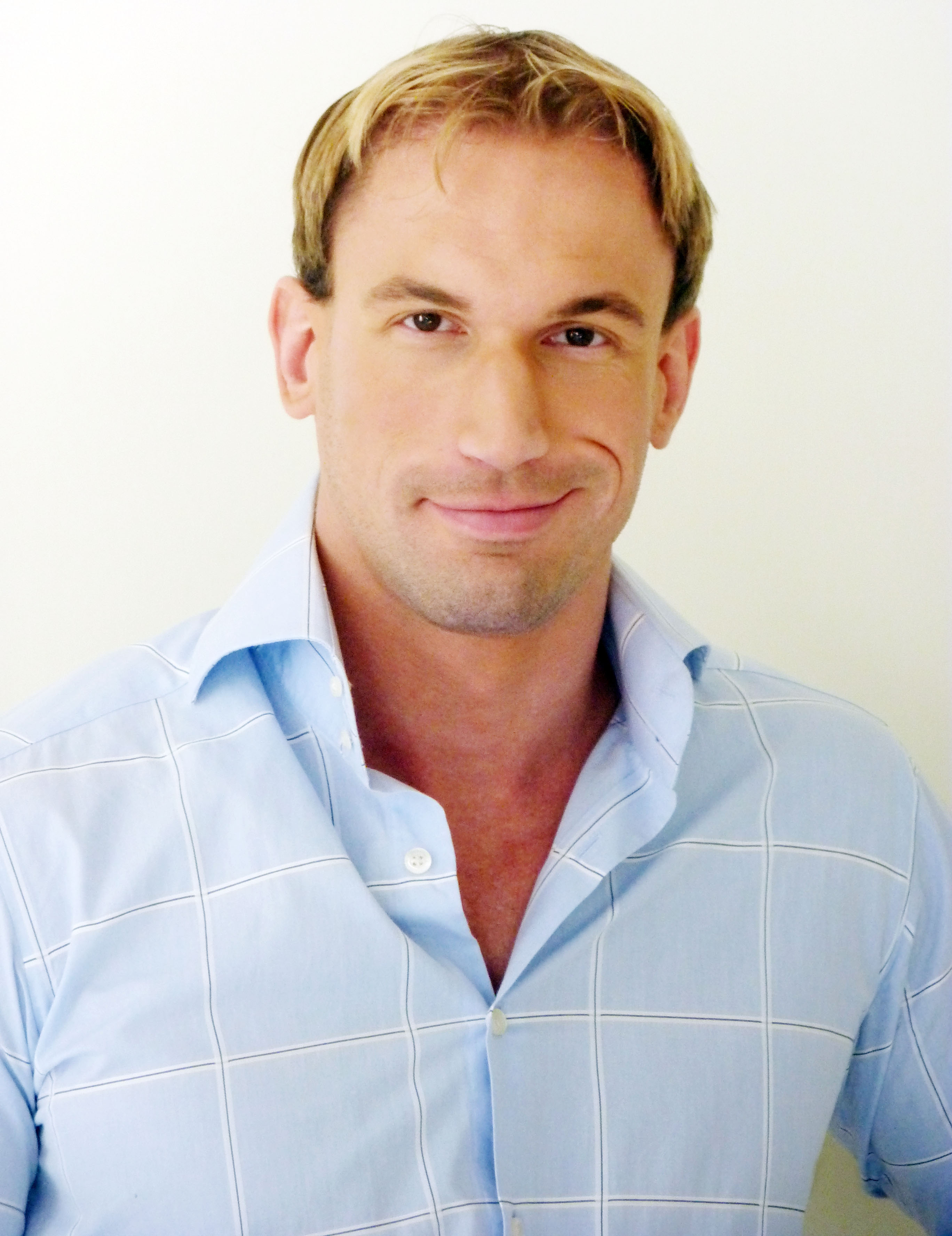
You know that Doctor Christian? Yes, him off of Embarrassing Bodies and Supersize Vs Super Skinny? Well he's been getting a lot of grief recently, on Twitter and in blogs.


Not really anything new. Christian is not known for his appeasement tactics on Twitter. I think he enjoys a good ruck, to be honest. So why have I been moved to blog about him now?

I've been getting annoyed by those of his detractors who claim that Christian is misogynistic. There seem to be two main arguments going on at the moment:
  1. Breastfeeding. We all agree that breast is best. If possible. I have never seen Christian say anything different. Yet somehow, his public acknowledgement of the fact that not all women can breastfeed - which may be very reassuring to new mothers struggling with feeding - is taken as meaning he's opposed to breastfeeding. Read the tweets, people!
  2. Feminism. I'll be honest, I got lost on this one quite early on. As a disabled woman living in poverty, I count myself as an intersectional feminist. There are various other flavours of feminism. But, y'know, what they all have in common is lots of jargon. If feminism isn't your particular political arena, you're not going to know the buzz words. And Twitter, with its 140 character limit, really isn't the place to explain them, particularly when you're angry. I know, I've got involved in enough arguments on there in my time and just ended up completely frustrated!
One of the worst things I've seen hurled Christian's way is that he hates women because he's gay. Listen to yourselves! How homophobic is that? In my Twitter acquaintance with Christian, he's often replied to his abusers in (rather more polite) kind. Although I've seen him use ableist language thoughtlessly (loons, nutters etc), when I've called him out on it he's always apologised. And I've never seen him use a gendered insult.

He's not perfect, naturally. Which of us is? Retweeting the abuse he receives - or even a simple disagreement - can lead to some of his more devoted fans attacking the original tweeter. That's shit. The fans need more restraint, of course, but when you have quarter of a million followers you have to bear some responsibility for what you tweet.

So, what's the take-home from this post? I think the biggest is that we all have a lot to learn, about our own "home patches" as well as less familiar areas. When someone isn't up to speed on your particular topic, shouting "CHECK YOUR PRIVILEGE" at them really isn't going to help. (Note, I'm not suggesting you shout at Christian. But there are people who do.)

Gender politics is complicated stuff. We're all on a steep learning curve, and we all started somewhere. Don't we owe it to those who are just discovering it to explain things calmly and clearly?

Monday, 24 June 2013

In which I make the mistake of having an opinion about The Voice and disability.

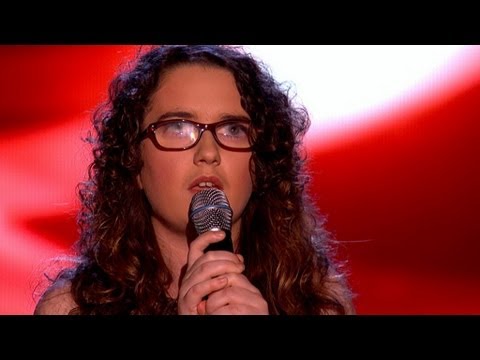
Saturday night saw the final of The Voice on BBC1. Yes, I watch The Voice. Deal with it. It was won by Andrea Begley, who has a severe visual impairment.


But why am I mentioning her disability before her (really rather good) voice, you ask? Well frankly, it was impossible to ignore, the show rammed it down our throats so much.
  • Every video, every link, it was mentioned.
  • I began to think her middle name was Inspirational. Andrea Inspirational Begley. What makes her inspirational over any of the other competitors? Could it be...maybe...nope. No idea. At all. /sarcasm
  • In training videos, Andrea dressed pretty much like the other female competitors: skinny jeans, heels, fitted tops. This makes me suspect that the way she was styled for each show was not her own taste, and was possibly designed to elicit the "ahh" factor. While the other women were in short skirts and tight trousers, Andrea was wearing what I described one week as "my first grown up party dress, aged 12". And always, always the milk-bottle glasses, reminding us of her visual impairment, though I discovered on Google Images while finding pictures for this post that in fact she doesn't always wear them. This chimes with the infantilisation of disabled people, seen as permanently child-like, their every achievement seen as more praiseworthy than that of someone able-bodied.
  • Andrea's coach on the show, Danny O'Donoghue, habitually referred to her as having "the voice of an angel". Andrea's voice is good, but I wouldn't characterise it as particularly angelic. (What does an angel sound like anyway?) Could this be an example of a disabled person being perceived as the eternal innocent? During one of her songs, the tangentially relevant My Immortal, the production even projected a pair of angel wings behind Andrea's shoulders. One (non-disabled) person on my Twitter timeline commented that Andrea was lucky to be blind: she couldn't see them.

So far, so irritating. This was when I made my big mistake. Immediately after the result was announced, I tweeted the following.


Tweeted in anger, I fully admit, and also in pique because my favourite, Leah McFall, hadn't won. But I thought the meaning was clear, specifically the use of the word "if". IF you voted for Andrea because you think she has a wonderful voice, that's cool. But IF you voted for her because she's disabled and brave and inspiring and aww,  then...well, the tweet says it.

Twitter's a funny place, though. If you dare to express an opinion, there are quite a few people who won't actually bother to read it properly, and just attack you instead. I was called quite a variety of things, most of which I wouldn't repeat on here. My block button was red-hot.

But the interesting thing was that several of them said I was the first person to mention that Andrea was blind. Really? Had they been watching the same show I had? Some of what I've mentioned above is fairly subtle, I agree, but the show had been blatant in their mentions of her disability, from her audition on.

As had Andrea herself, in fact. Despite saying she wanted to be judged on her voice rather than her disability, she talked about it in nearly every video. Reality show contestants are always victims to the edit, of course, but editors can only take things out, not add them in.

So what conclusions can I draw from this? I could try not to have so many opinions...but I don't think that's going to happen any day soon. I definitely need not to engage with trolls, just to ignore and block them. I don't need the stress. But you know, isn't it kind of worrying how ingrained disablism is in our society, that people don't even notice something as obvious as this?

PS As I've finished typing this, there's been an interview with Andrea on BBC Breakfast News. First question. "Tell us about your sight?"

Sunday, 19 May 2013

The Impossible Girl (spoilers) #DoctorWho #Spoonie

Last night was the season finale of Doctor Who. I  thought it was one of the best episodes for quite some time, certainly the best of the season. But it also got me to thinking. A major theme was losing and gaining control - both for the Doctor and his current companion, Clara. And that's also a huge issue for spoonies, people with long-term illnesses that cause crippling fatigue.

The baddies in this episode were the Whispermen, who kidnap the Doctor's friends Clara, Vastra, Jenny and Strax to lure him to the one place he must never go: his grave, on the planet Trenzalore.

When we become ill, it's as if we've been kidnapped and taken to a different planet. We are snatched away from our everyday lives, held hostage by the limitations of our conditions.

There is no body in the Doctor's tomb. Instead there is a time tunnel, made of scar tissue from all the Doctor's travels through time and space. The villain of the piece, the Great Intelligence (hammed up wonderfully by Richard E. Grant) enters the time tunnel, aiming to split itself into fragments scattered throughout the Doctor's timeline and corrupt it absolutely, undoing all the good he's done.


Clara follows it into the time tunnel in an attempt to reverse the damage. Things take place around her. Previous incarnations of the Doctor run by. At first she feels out of control. She has no idea what's going on.

Gradually she works out her purpose. The Doctor is always there, though not always in the same form. She can recognise the best thing for the Doctor to do: she saves his life.


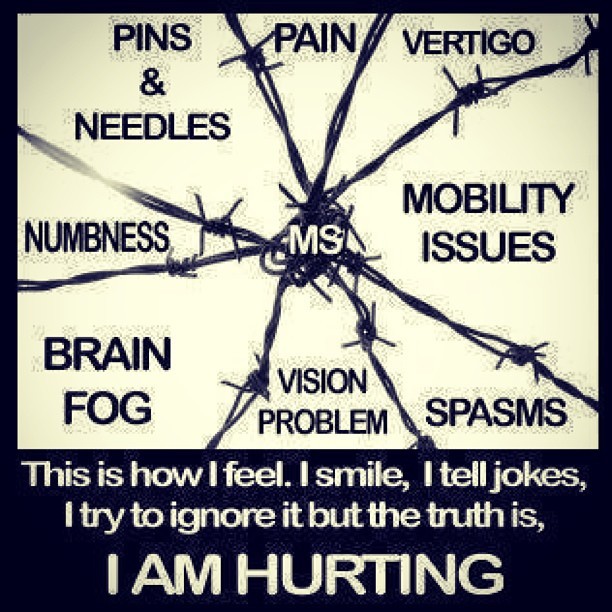
It's the same for us. At first, everything is confusion and feeling out of control. Fatigue, pain, brain fog. But gradually, a pattern emerges. We work out what to do. How to live our lives in the best possible way for ourselves and those around us. Maybe we're not saving the Doctor (or maybe you are?) but in our own way we're time lords, pacing and resting so we can do the things we really want to do.

We're the impossible girls and boys. We learn our purpose. We regain control over our lives.

We're spoonies.

Wednesday, 1 May 2013

#BADD Growing Up Beside You

This is Imperial Place, Borehamwood.


A few days ago, someone asked me for directions to get there. I gave the directions. Off he trotted. I assume he got there - I have no reason to think he didn't.

OK, I hear you say. But why am I telling you this little anecdote?

Well, he asked me. There were other people around, but he asked me - the woman in the wheelchair. Unless you use a wheelchair yourself, you have no idea how rare this is.

You're much more likely to find someone looking at you like you're a bit weird because you're laughing, or standing up, or walking a few steps (YOU FRAUD!), or smoking a cigarette, or getting things off the top shelf in the supermarket, or clothes shopping, or drinking alcohol.

I mean, how dare I have anything approaching a normal life? I'm a cripple! It's surprising enough to see me out on my own without a minder, never mind doing things that everyone else - regular people, whose legs and stuff work - does.

Why does this happen? There has been a tradition of "Othering" disabled people, setting up an "us and them" dichotomy. Once disabled people are established as "them", they are seen as one homogenous mass. At the very most, they are split into "wheelchair users", "blind people", "deaf people" and so on. Within each sub-group, there is no scope for variation. So, for instance, a punk rocker using a wheelchair is far more shocking than an able-bodied punk rocker would be.


Other wheelchair users like myself may have experienced the shock it causes when they stand up, or walk a few paces. The standard definition of the subgroup "wheelchair user" is "totally unable to walk", and many members of the general population with no experience of disability are completely thrown by any standing or walking ability.

Similarly, use of a wheelchair is associated in many people's minds with learning difficulties. I have had an assistant in Clinton's Cards telling me how to use a book of stamps. (I told her I was doing a PhD and I thought I would cope.)

What can be done to counter this Othering? More and more exposure to more and more disabled people, showing our variety and the realities of our different lives, and how close they are in so many ways to the lives of everyone else in the world. Yes, that needs a more accessible society and a decent welfare system, so we're maybe talking long-term. But there are some good guys out there already. Think back to my Imperial Place experience.

Each individual like that who "gets it" is one more person who can spread the word that disabled people are - in the end - just people. It's best when it starts in childhood. So what we need to do is for you to grow up beside me, and I'll grow up beside you. Paolo Nutini says it well, I think.


This is my post for Blogging Against Disablism Day 2013. You can find the other links on Goldfish's great blog (which I recommend in general!) here.

Monday, 29 April 2013

Multiple Sclerosis Awareness Week #MSAwarenessWeek

MS Awareness Week starts today, 29th April 2013.

This is the one week a year when we - people with MS, our families and friends, and the organisations that support and inform us -  try to spread the word about what multiple sclerosis is and the many ways, often invisible but nonetheless potentially devastating, it can affect us.


This year's awareness week comes with the disturbing news that only 40% of those eligible to receive one of the seven licensed MS drugs are actually getting them. This may be down to a lack of information and problems accessing specialists. The UK ranks 25th out of 27 in Europe on prescription rates, which given our relative wealth is really not good enough.

Decisions should be taken nationally about this kind of treatment and specialist care plans drawn up for each patient, with regular reviews allowing for treatment options to be assessed on a regular basis.


People with MS tend to do a lot of falling, both physically and mentally. That's OK. The thing is getting up again. Those of you who don't have MS, please understand that this can sometimes take us a little while.

It's MS Awareness Week. But we have to be aware of MS every day of the year.

For more information on MS, please visit:
MS-UK
MS Society
MS Trust

Sunday, 7 April 2013

Placebos, sham surgeries and CCSVI

Recently GPs took part in a survey which showed that 97% of them had used placebos at some point in their careers. The truth is inevitably more nuanced than that headline figure: 97% had used what the researchers called "impure" placebos such as antibiotics for viruses, and the figure for "pure" placebos, treatments containing no active ingredients at all, was in fact 10%.


"Pure", inactive placebos such as sugar pills may seem the more dangerous, but "impure" placebos may be actively dangerous to health. For instance, antibiotics can have side-effects and may promote antibiotic resistance.

Most of the doctors questioned thought that any risk of damaging the trust between doctor and patient was unacceptable, but that it was possible to prescribe a placebo to a patient without actively lying to them. For instance, half of the doctors told the patient that the intervention had helped others.

Is this ethical, particularly if it's possible that the patient would have got better anyway? If something is at the extreme ends of a range of measurements, the likelihood is that it will move towards the average. This is the statistical phenomenon called regression to the mean. The medical application of this is that if someone is ill, on the whole they're likely to get better whether there's any intervention or not.

There may be a psychological effect from receiving a placebo, even if the patient knows that's what it is. One study found that even when the patient was fully aware that their treatment had no active ingredients, the placebo effect was still seen. However there were methodological flaws in that study. More research is needed, to see if the results can be replicated.

Placebos are commonly used in trials to assess whether a new medication is better than no treatment at all. How can a surgical intervention be tested? Sometimes sham surgery is used. Sham surgery forms an important control, as anaesthesia, the incision, post-operative care, and the patient's perception of having had an operation are the same.


However again there are ethical issues, as all surgery has the potential to harm the patient. As a result, sham surgical procedures are rare in human subjects.

In a classic study in 2002, patients with osteoarthritis in the knee either had standard surgery, had their knee joint washed out, or had an incision made in the skin and sewn up again. All the patients in the trial therefore experienced "surgery" of some sort, but didn't know which type. All three groups reported similar levels of pain reduction and improvement in mobility, suggesting that the standard surgery produced no advantage over placebo.

A sham surgery trial has recently reported relating to the controversial CCSVI theory of the causation of MS, which hypothesises that MS is caused by compromised drainage of blood from the central nervous system. The proposed treatment is balloon venoplasty, whereby a small balloon is threaded into the vein and then inflated to clear the blockage. Since 2009, around 30,000 MS patients worldwide have had this treatment, almost always privately rather than as part of a trial.

In this small trial, 30 patients received either the balloon venoplasty treatment or a sham surgery. The treatment did not provide sustained improvement in patients. In fact in some cases, there was a deterioration.

Clearly this was a small study, and more research is needed. But in the meantime, the researchers, who studied under Paolo Zamboni, the developer of the CCSVI theory, have urged patients to enroll for trials rather than pay for the treatment privately.


Overall I believe placebos certainly have a valuable place in research, assuming of course that patients know they may receive the placebo rather than the active treatment. In the GP surgery, I'm not so sure. We should be using evidence-based medicine: that means the best available treatment for the condition, not sugar pills or inappropriate antibiotics. I suspect placebos will always be with us though, one way or the other.

Wednesday, 27 March 2013

Unhelpful response to the #WOWpetition

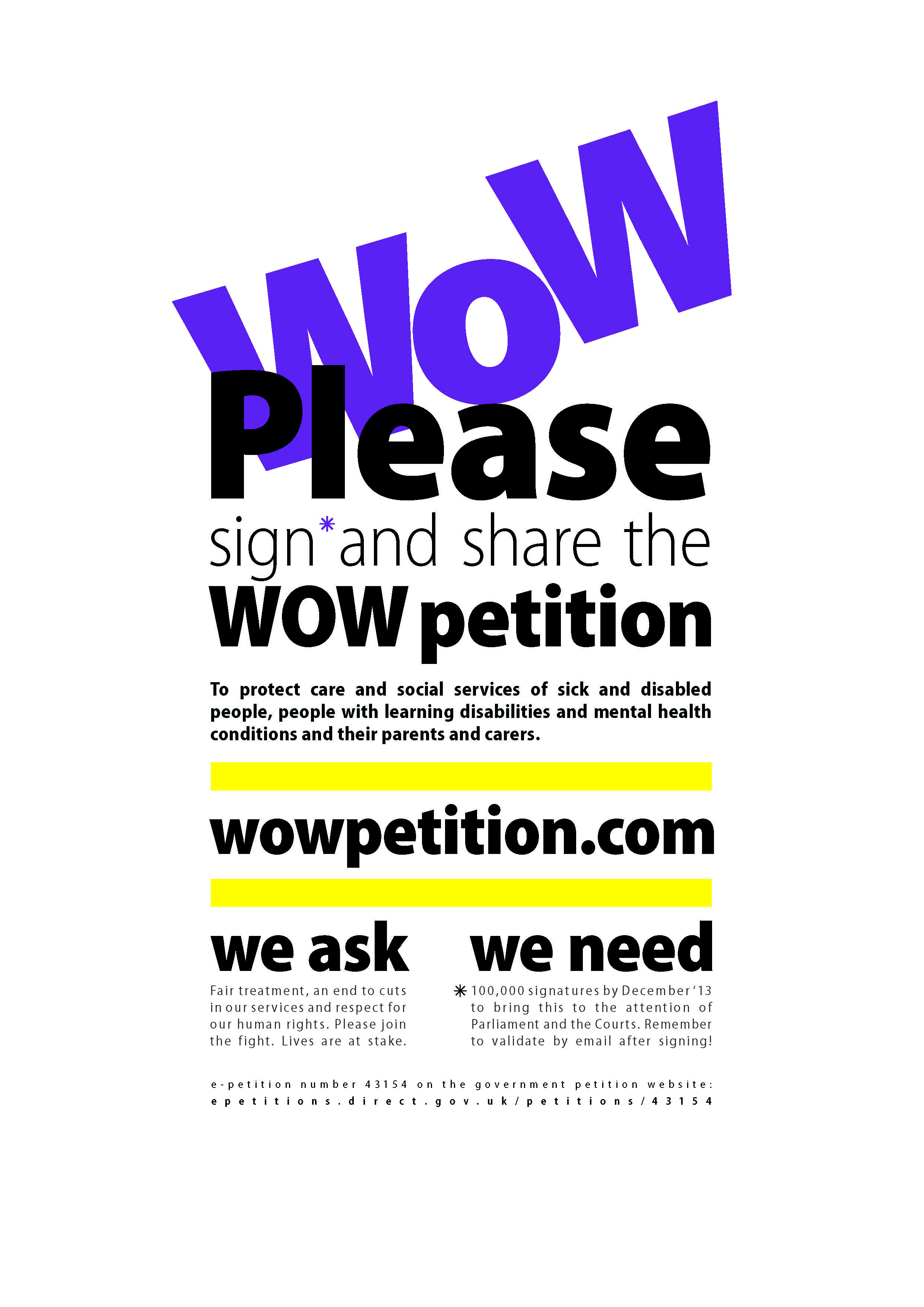
I don't know if you're already aware of the WOW petition. It was started a little over 3 months ago by comedian Francesca Martinez, and is well on target to achieve 100,000 signatures by its closing date. That means it would considered for debate in the House of Commons.


WOW stands for War on Welfare. Because frankly, that's how it does feel. Like this soulless government has declared war on those of us forced to claim welfare benefits.

Let's say you're on Disability Living Allowance, and when that gets changed over to Personal Indepencence Payment you lose out. Well OK, that's just one thing (apart from the blue badge, and Motability car, and disabled railcard, and so on that it passported it you to). Maybe you can manage without the DLA. Maybe.

But you're also on contributory Employment and Support Allowance, and you've been on it nearly a year. So that's about to stop.

And that's before we get anywhere near the changes to Council Tax Benefit, and to Housing Benefit (the Bedroom Tax).

Tens of thousands of sick disabled people are about to go under financially. And this government just doesn't give a damn. Oh, they always have a soundbite:
There's a lot of misleading stories about the impact of our welfare reforms on disabled people, which could lead to unnecessary scaremongering. Our reforms will make sure the billions we spend every year give more targeted support and better reflect today's understanding of disability. Hundreds of thousands of disabled adults and children will actually receive more support than now with the combined effect of benefit changes under universal credit.
Targeted. Some people receiving more support than now. Well, as someone pointed out to me today (thanks Eggy!) all the NHS funds don't get allocated to intensive care: support is required at all levels of need.

So, returning to the WOW petition, what it asks for (among some other things) is a cumulative impact assessment, not looking at the effect of each benefit "reform" (*spit*) separately, but how people will be affected in real life. Real people are complicated. Lots of us claim more than one benefit (partly because the system's so complex!)

When a government e-petition gets 10,000 signatures, the department responsible for it gives a reply. It's taken a while for the WOW petition's reply to turn up: I only just noticed it, and the petition has over 27,500 signatures.

To summarise the reply, it seems to be:
  • We're not avoiding you.
  • This is hard.
  • The policies haven't all been decided yet.
  • There are impact assessments for individual benefits or for all tax, benefit and expenditure changes across households, but nobody's ever done what you're asking for, which is in between.
  • Did we mention this is hard?
My reply to that would be, with the greatest possible respect (and as civil servants they would know what an insult that is!) pop down to Ryman's, buy a new scientific calculator and get on with it. These are people's lives you're messing around with (at the command of your political masters), and there is a clear case for a cumulative impact assessment to be done.

If you haven't already signed the WOW petition, would you take a look and consider signing it? The more signatures on the petition, the more pressure sympathetic MPs like Michael Meacher can put on the DWP on our behalf.

Thanks!

Edit: I'm all for avoiding unnecessary government expenditure, so I'm sure it would be fine for the DWP to use this cumulative impact assessment, which Scope and Demos have just done. It calculates that those disabled people most severely affected by the cuts will lose £4,600 each year from what are already low incomes. As Richard Hawkes the chief executive of Scope says:
At the moment there’s no place for disabled people in the Chancellor’s aspiration nation.
Sadly, that seems to be very true.